

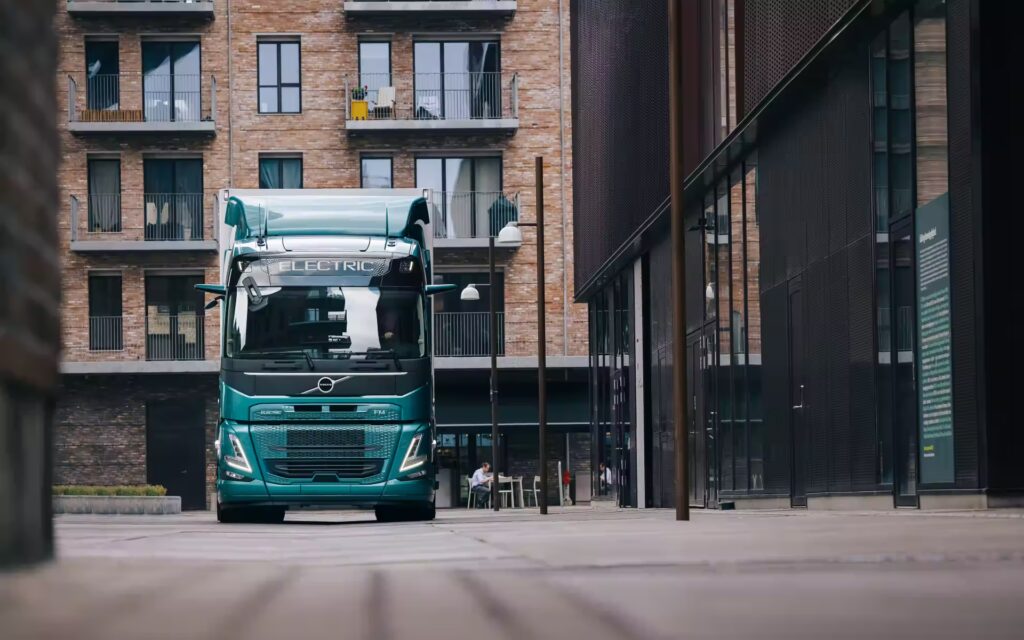
Freight trucking is one of the harder segments of transportation to decarbonize: trucks are heavy, they travel long distances, and they need to keep moving to be profitable. Electric trucks are now moving from prototype to real-world deployment, but the path to replacing diesel across the entire freight industry is more complicated than it has been for passenger cars.
Why Trucking Is Electrifying
Diesel trucks are a significant source of both greenhouse gas emissions and local air pollution, particularly in the neighborhoods surrounding ports, warehouses, and distribution centers where trucks idle and queue. Regulatory pressure, corporate sustainability commitments from major shippers and retailers, and the falling cost of battery technology have all pushed truck manufacturers to bring electric models to market, both for shorter regional routes and, increasingly, longer-haul applications.
How Electric Trucks Work
Electric trucks replace the diesel engine and fuel tank with an electric motor and a large battery pack, similar in concept to an electric car but scaled up substantially to handle the weight of cargo and the power demands of hauling it. Regenerative braking, which captures energy normally lost as heat during braking and feeds it back into the battery, is especially valuable in stop-and-go delivery routes, where it can meaningfully extend range.
Benefits Over Diesel Trucks
- Lower operating costs per mile, since electricity is generally cheaper than diesel fuel and electric motors require less maintenance than combustion engines.
- Zero tailpipe emissions, improving air quality in the communities surrounding depots, ports, and delivery routes.
- Quieter operation, which matters for night-time deliveries in residential areas.
- Fewer moving parts overall, which can reduce long-term maintenance costs and downtime.
The Challenges Still Being Solved
Range and charging time remain the biggest obstacles for long-haul trucking specifically, since the batteries needed to match a diesel truck’s range add significant weight, cutting into the cargo capacity that makes trucking profitable in the first place. Charging infrastructure capable of handling heavy-duty trucks is still limited outside of major freight corridors, and the upfront purchase price of electric trucks remains higher than diesel equivalents, though that gap is expected to narrow as battery costs continue to fall.
Where Adoption Is Happening First
Regional and last-mile delivery routes, where trucks return to a depot each night for charging and don’t need extreme range, have seen the fastest electric truck adoption. Major logistics and delivery companies have been steadily expanding electric fleets for these shorter, predictable routes, while long-haul electric trucking is still earlier in its development, with hydrogen fuel cells also being explored as a potential alternative for the toughest long-distance routes where charging time and range remain the biggest hurdles.
The Road Ahead
Electric trucks are unlikely to replace diesel across the entire freight industry overnight, but their share is expected to keep growing steadily, starting with regional and urban delivery routes before gradually expanding into longer-haul applications as batteries improve and charging networks mature. Freight electrification is widely viewed as a slower, more gradual transition than passenger vehicles, but one that is clearly underway.