

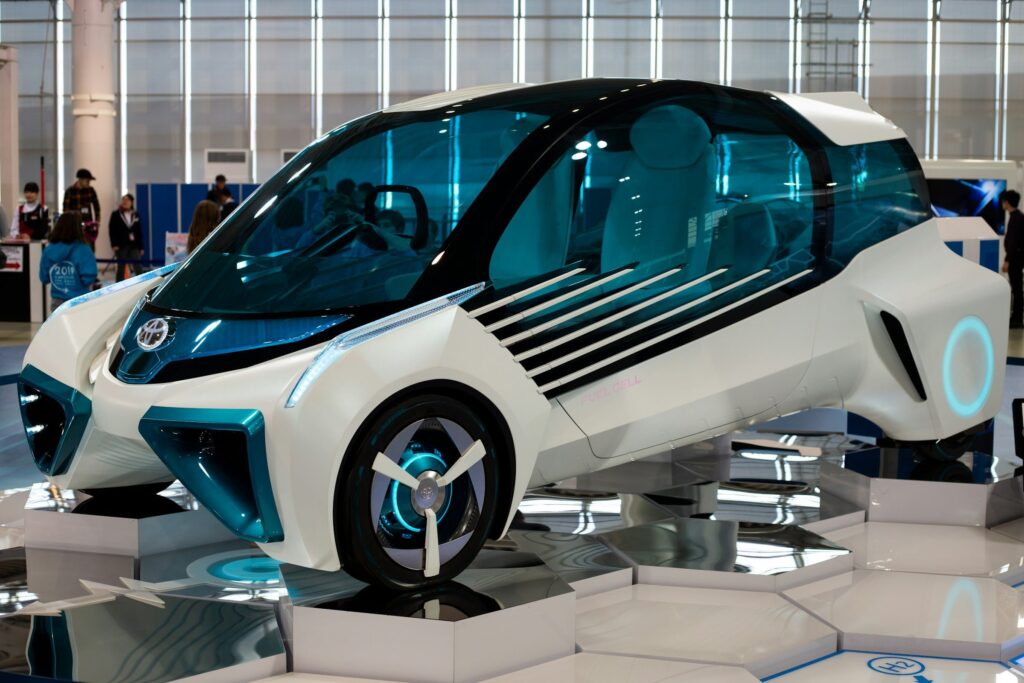
Hydrogen is the most abundant element in the universe, and when used as a fuel, it produces only water vapor as a byproduct, no carbon dioxide, no soot, no smog-forming pollutants. That clean-burning profile has made hydrogen one of the most talked-about pieces of the clean energy puzzle, but the reality of producing, storing, and using it at scale is considerably more complicated than the pitch suggests.
How Hydrogen Energy Works
Hydrogen itself is not a primary energy source the way oil or sunlight is; it has to be produced using energy from another source, then stored and later converted back into usable energy, typically through a fuel cell. Fuel cells combine hydrogen with oxygen from the air in an electrochemical reaction that produces electricity, heat, and water, without combustion. That electricity can then power a vehicle motor, feed into the grid, or run industrial equipment.
Grey, Blue, and Green Hydrogen
- Grey hydrogen is produced from natural gas through a process called steam methane reforming, and is by far the most common method today, but it releases significant carbon dioxide in the process.
- Blue hydrogen uses the same natural gas-based process as grey hydrogen, but pairs it with carbon capture technology to trap and store a portion of the resulting emissions.
- Green hydrogen is produced through electrolysis, using electricity, ideally from renewable sources like solar or wind, to split water into hydrogen and oxygen, producing no direct carbon emissions.
The color labels refer to the production method and its emissions profile, not any physical difference in the hydrogen itself. Green hydrogen is the cleanest option but currently the most expensive, since it depends on the cost of renewable electricity and electrolyzer equipment.
Where Hydrogen Is Used Today
Hydrogen already plays a significant industrial role, particularly in oil refining, ammonia production for fertilizer, and steelmaking, though almost all of this current use relies on grey hydrogen. The push now is to expand hydrogen into new applications: heavy-duty trucking and shipping, where batteries struggle with weight and range; steel and cement production, where fossil fuels are hard to replace directly; and as a form of long-duration energy storage, converting excess renewable electricity into hydrogen that can be stored and later converted back into power.
The Challenges Holding Hydrogen Back
Hydrogen is difficult to store and transport because it has a very low energy density by volume and must be highly compressed or cooled to a liquid at extremely low temperatures. Building out hydrogen refueling infrastructure is capital-intensive, and converting energy to hydrogen and back again involves efficiency losses at each step. These practical hurdles are a major reason why hydrogen adoption, despite years of enthusiasm, has progressed more slowly than early predictions suggested.
The Outlook
Most energy analysts see hydrogen playing a targeted role rather than a universal one, filling in for applications where direct electrification is impractical, rather than replacing batteries and renewables across the board. Government incentives in a number of countries are aimed at bringing down the cost of green hydrogen production, which will likely determine how large a role it ultimately plays in the broader shift away from fossil fuels.