

Renewable energy, power generated from sources that naturally replenish, has gone from a niche, subsidy-dependent alternative to the fastest-growing source of new electricity generation in much of the world. Understanding the different types, and their genuinely different strengths and weaknesses, helps explain why the transition is unfolding the way it is: unevenly, and one technology at a time.
The Major Types of Renewable Energy
- Solar power, which converts sunlight directly into electricity using photovoltaic panels, or uses concentrated sunlight to generate heat in solar thermal systems.
- Wind power, which uses turbines to convert the kinetic energy of moving air into electricity, both onshore and, increasingly, offshore.
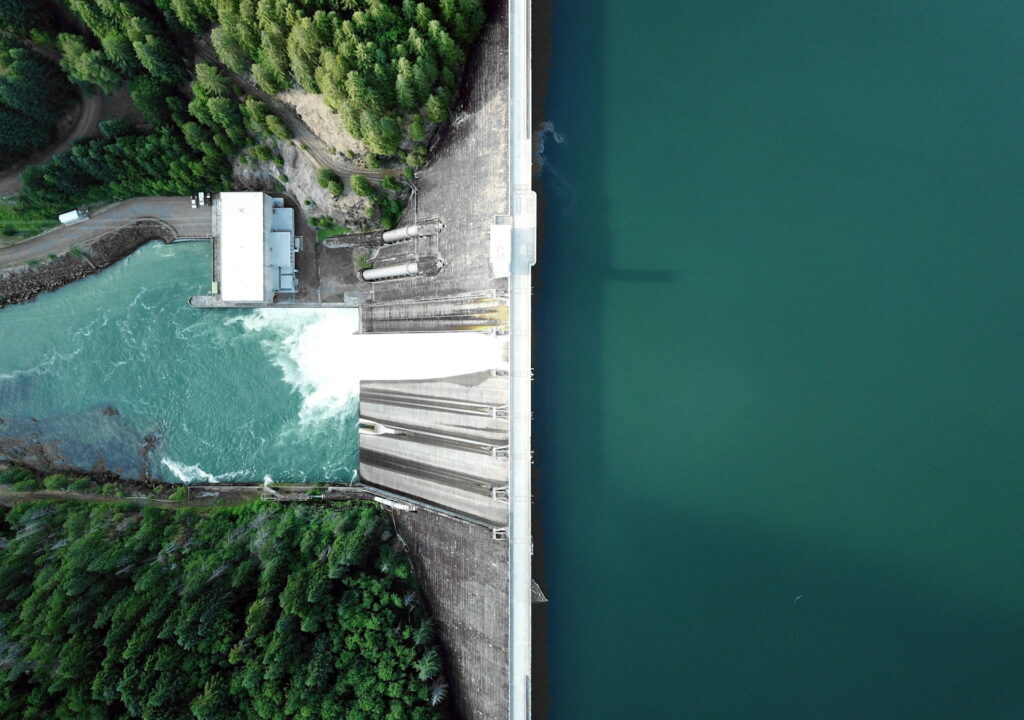
- Hydropower, which uses the energy of flowing or falling water, most commonly through dams, to spin turbines, and remains the largest source of renewable electricity worldwide.
- Geothermal energy, which taps underground heat for electricity generation and direct heating.
- Biomass energy, which converts organic material into heat, electricity, or biogas.
Why Renewables Have Grown So Quickly
The cost of solar panels and wind turbines has fallen dramatically over the past decade and a half, driven by manufacturing scale, technology improvements, and intense competition, to the point where new solar and wind projects are now among the cheapest sources of new electricity generation in much of the world. Government incentives, corporate sustainability commitments, and growing public concern about climate change have added further momentum on top of the underlying cost advantage.
The Benefits of Renewable Energy
- No fuel costs and minimal operating emissions once a solar or wind project is built.
- Domestic energy production that reduces dependence on imported fossil fuels.
- Modular, scalable technology that can range from a few rooftop panels to utility-scale solar and wind farms.
- Rapidly falling costs that have made renewables cost-competitive with, or cheaper than, fossil fuel generation in many markets.
The Challenges That Remain
The central challenge with solar and wind is intermittency, they only generate electricity when the sun shines or the wind blows, which means grids need a combination of energy storage, flexible backup generation, and improved transmission to stay reliable as renewables make up a larger share of the mix. Building new transmission lines to connect renewable-rich regions with population centers can be a slow process, often facing permitting delays that take longer than building the generation projects themselves. Land use and, for hydropower, ecological impact on rivers and fish populations, are additional considerations that vary significantly by technology and location.
The Road Ahead
Solar and wind are expected to continue growing faster than any other electricity source in most major markets, increasingly paired with battery storage to smooth out their variability. Hydropower and geothermal will likely remain important but more geographically limited contributors, since both depend on specific natural conditions that aren’t available everywhere. The overall trajectory points toward an energy system that draws on a mix of renewable sources rather than any single technology, backed by growing amounts of storage and more flexible grid infrastructure.