

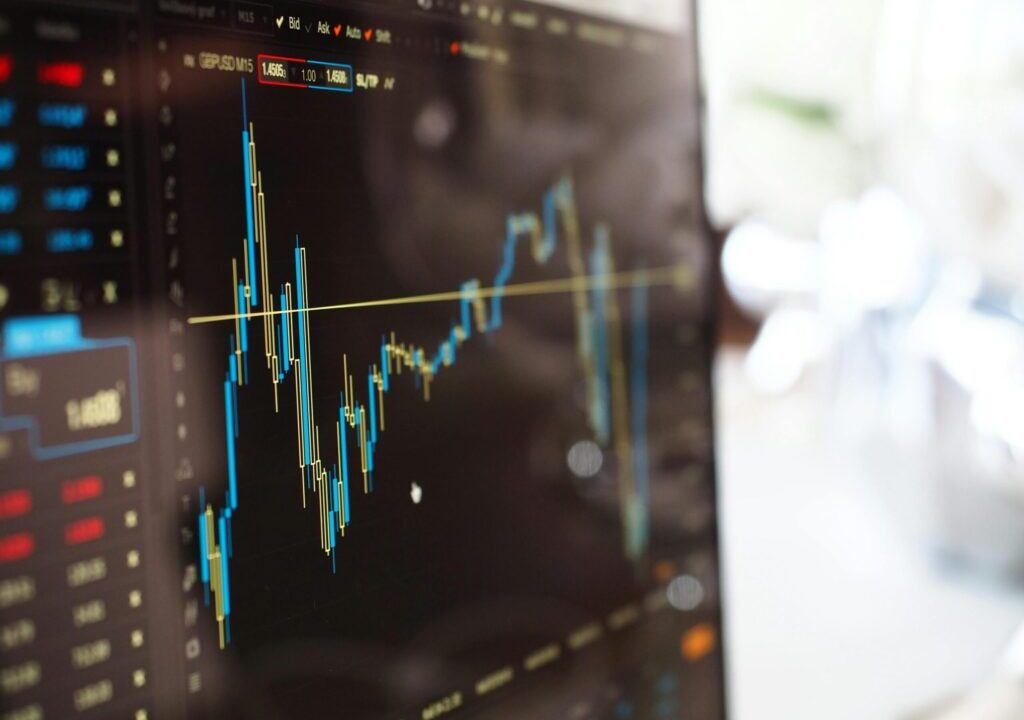
Energy markets determine what households and businesses pay for electricity, gasoline, and heating fuel, and they are shaped by a mix of physical supply and demand, geopolitics, weather, infrastructure constraints, and financial trading, all interacting at once. Understanding the basics of how these markets work helps explain why energy prices can swing so dramatically from one season, or one geopolitical event, to the next.
What Energy Markets Actually Are
At the core, energy markets are where producers, oil companies, power generators, gas suppliers, sell energy to buyers, utilities, industrial users, and, indirectly, consumers. Some of this trading happens through long-term contracts that lock in prices for months or years, providing stability for both buyers and sellers, while a considerable amount happens on spot markets, where prices are set essentially in real time based on current supply and demand.
Who the Key Players Are
- Producers, including oil and gas companies, utilities, and independent power generators, who supply energy to the market.
- Grid operators, who manage electricity supply and demand in real time to keep the power system stable.
- Traders and financial institutions, who buy and sell energy contracts, often to hedge risk rather than to take physical delivery.
- Regulators, who oversee market rules and, in some regions, set price caps or other consumer protections.
- End users, whose demand patterns, driven by weather, economic activity, and behavior, ultimately determine how much energy is needed.
How Prices Get Set
Electricity prices are often determined through auction-like mechanisms where power plants bid in the price they need to operate, and the market clears at the price of the most expensive plant needed to meet demand at that moment, meaning a single expensive peaker plant can set the price for the entire market during high-demand periods. Oil and natural gas prices are influenced heavily by global supply decisions, including those made by OPEC and its allies, as well as by weather, storage levels, and broader geopolitical events.
The Role of Geopolitics and Weather
Because energy is so strategically important, geopolitical events, wars, sanctions, diplomatic disputes, can move prices quickly by disrupting supply routes or production. Weather plays an outsized role too: a cold winter spikes demand for heating fuel, a hot summer spikes demand for electricity to run air conditioning, and severe weather can damage infrastructure and take supply offline entirely, both effects that can send prices sharply higher in a short period.
How Renewables Are Changing the Picture
As solar and wind make up a growing share of electricity generation, they’ve begun to change how energy markets behave. Because renewable generation has very low operating costs, once the panels or turbines are built, the fuel is free, its presence can push down wholesale electricity prices when the sun is shining or the wind is blowing, but its intermittency also means markets need to place a growing value on flexibility and storage to keep the system reliable when renewable output drops.