

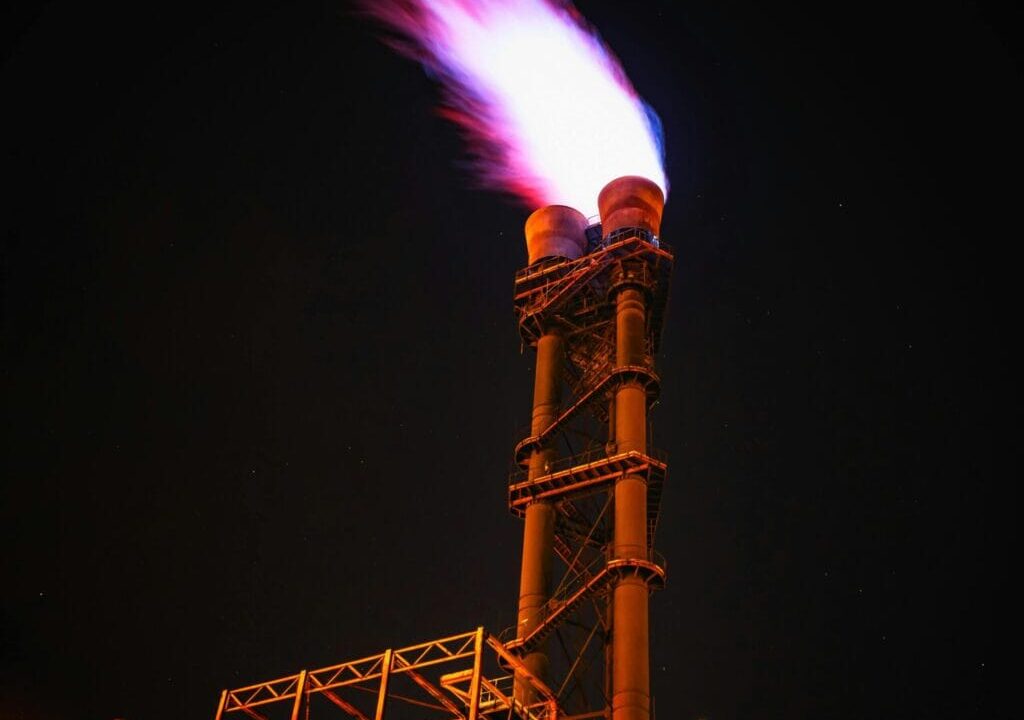
Fossil fuels, coal, oil, and natural gas, still supply the majority of the world’s energy, powering everything from electricity grids to cars, planes, and heavy industry. Formed over millions of years from the buried remains of ancient plants and organisms, they pack a lot of energy into a small volume, which is exactly why they became the backbone of industrial civilization and why replacing them is proving so difficult.
The Three Main Fossil Fuels
Coal is the oldest fossil fuel to be used at scale, formed from ancient swamp forests compressed over millions of years. It is burned mainly to generate electricity and to produce steel and cement. Oil, or petroleum, is a liquid fuel refined into gasoline, diesel, jet fuel, and a wide range of petrochemical products used in plastics, fertilizers, and countless everyday goods. Natural gas, composed mostly of methane, burns more cleanly than coal or oil and is used for electricity generation, home heating, and as an industrial feedstock.
How Fossil Fuels Are Extracted
Coal is mined either from surface pits, when deposits are close to the surface, or from underground shafts for deeper seams. Oil and gas are extracted through wells drilled into underground reservoirs, historically using conventional vertical wells, and increasingly through horizontal drilling combined with hydraulic fracturing, or fracking, which cracks open rock formations to release oil and gas that would otherwise stay trapped. Fracking dramatically expanded accessible oil and gas reserves over the past two decades, particularly in North America, but has also drawn scrutiny over water use, methane leaks, and induced seismic activity.
Environmental Impact
- Burning fossil fuels releases carbon dioxide, the primary greenhouse gas driving climate change.
- Coal combustion also releases sulfur dioxide, nitrogen oxides, and particulate matter that contribute to air pollution and respiratory illness.
- Oil spills and gas leaks can cause serious, sometimes long-lasting damage to marine and terrestrial ecosystems.
- Extraction activities can disturb land, consume large volumes of water, and, in the case of fracking, have been linked to localized seismic activity.
Why Fossil Fuels Still Dominate the Energy Mix
Despite their environmental costs, fossil fuels remain central to the global economy because of their energy density, existing infrastructure, and relatively low cost of extraction in many regions. Entire industries, transportation networks, and national economies are built around them, and replacing that infrastructure takes decades, not years. Oil in particular remains difficult to substitute in aviation, shipping, and heavy industry, where battery technology is not yet a practical replacement.
The Transition Away From Fossil Fuels
The shift toward renewable energy, electric vehicles, and cleaner industrial processes is gradually reducing the relative share of fossil fuels in the energy mix, particularly in electricity generation, where solar, wind, and natural gas have displaced significant amounts of coal in many countries. Natural gas, being cleaner-burning than coal, is often used as a bridge fuel during this transition. Still, complete replacement of fossil fuels in sectors like aviation, shipping, and heavy manufacturing remains one of the hardest unsolved problems in the broader energy transition, and fossil fuels are expected to remain part of the global energy mix for years to come even as their share gradually declines.