

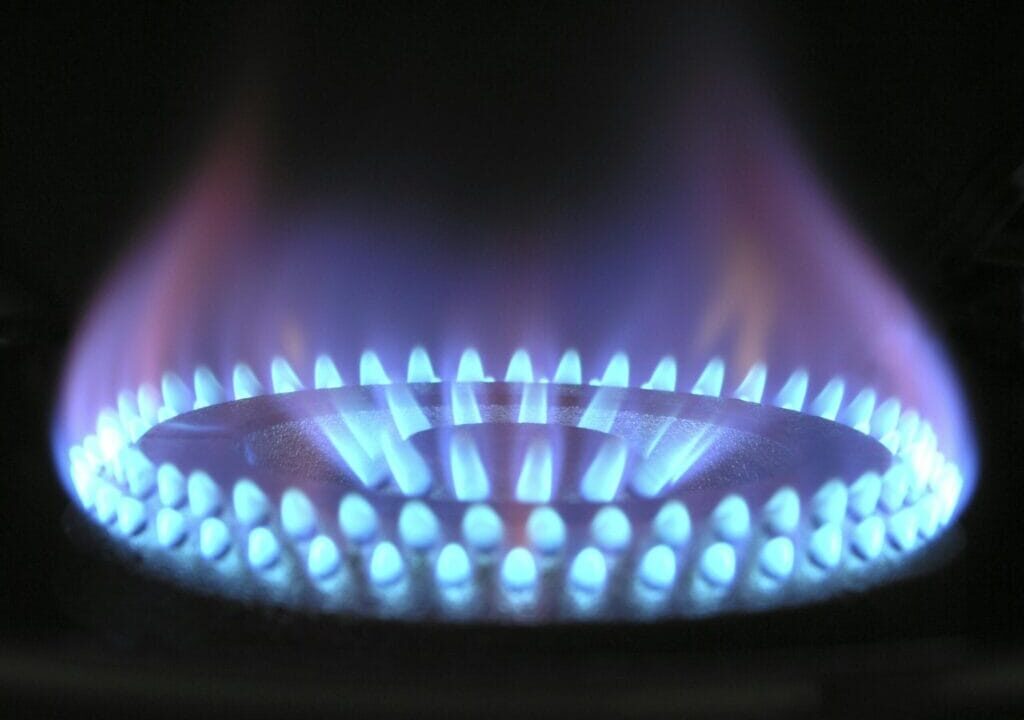
Natural gas has become the single largest source of electricity generation in a number of major economies, prized for burning more cleanly than coal while still being widely available and relatively affordable. It occupies a genuinely contested position in the energy transition: cleaner than other fossil fuels, but still a fossil fuel, and still a significant source of greenhouse gas emissions.
What Natural Gas Is and Where It Comes From
Natural gas is composed mostly of methane, a simple hydrocarbon molecule, formed underground from the remains of ancient marine organisms subjected to heat and pressure over millions of years. It is often found alongside oil deposits, though many gas fields exist independently. Like oil, it is extracted through drilled wells, sometimes from conventional reservoirs where gas flows relatively freely, and increasingly from unconventional shale formations using horizontal drilling and hydraulic fracturing.
How Natural Gas Is Used
- Electricity generation, where gas-fired plants can ramp output up and down quickly, making them useful for balancing variable renewable energy.
- Home and commercial heating, along with cooking, in regions with gas distribution infrastructure.
- Industrial processes, including as a feedstock for fertilizer and chemical production.
- Liquefied natural gas, or LNG, which allows gas to be cooled into a liquid, loaded onto tankers, and exported to markets without pipeline access.
Environmental Considerations
Burning natural gas produces roughly half the carbon dioxide of coal for the same amount of electricity generated, which is why it has often been used as a transitional fuel while renewable capacity scales up. However, methane itself is a far more potent greenhouse gas than carbon dioxide over the short term, and leaks during extraction, processing, and transport, known as fugitive emissions, are a serious environmental concern that can significantly offset the climate benefit of switching from coal to gas.
Natural Gas in the Energy Transition
Natural gas is often described as a bridge fuel, cleaner than coal, more flexible than nuclear, and able to fill gaps left by intermittent solar and wind, while longer-term decarbonization technologies mature. Critics of this framing argue that continued investment in gas infrastructure risks locking in fossil fuel dependence for decades, since pipelines and power plants are built to last far longer than the transition period they’re meant to bridge. How large a role natural gas plays going forward will likely depend on how quickly energy storage and other flexible, low-carbon alternatives can scale to match its reliability.