

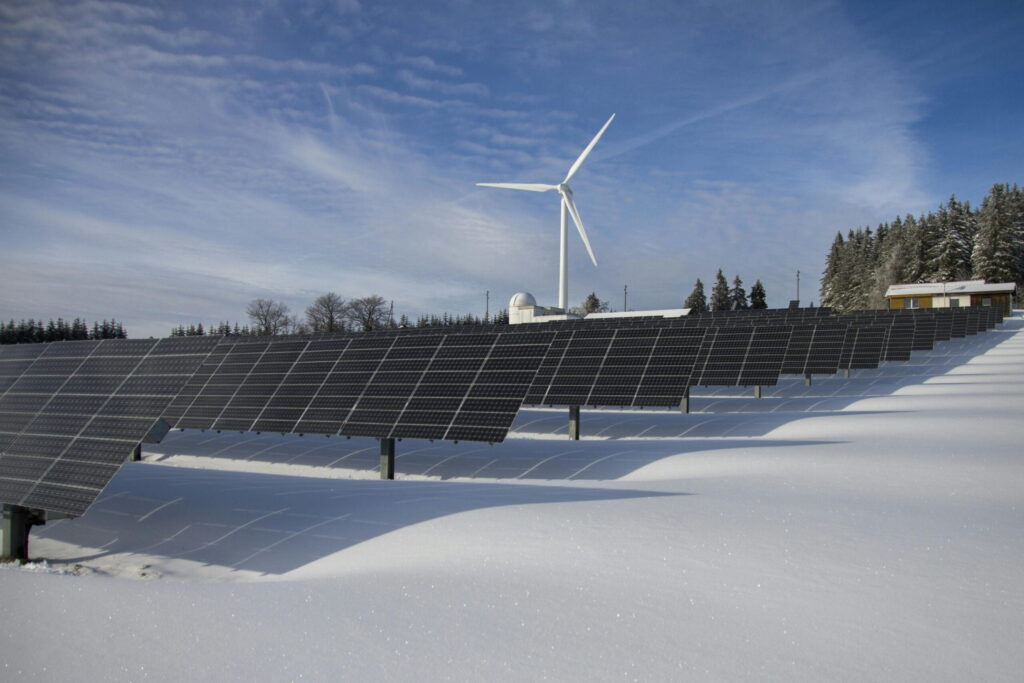
The energy sector, long associated with heavy infrastructure, steel, concrete, and turbines built to last decades, is in the middle of a genuine technology shift. Sensors, software, and artificial intelligence are being layered onto that physical infrastructure, changing not just how energy is produced, but how it’s monitored, distributed, and consumed in real time.
The Digitalization of Energy
Power grids, power plants, and even individual homes are increasingly instrumented with sensors that report data continuously rather than periodically. Smart meters, now installed in a large share of homes in many countries, report electricity usage in near real time, replacing the old model of estimated bills and monthly manual readings. That stream of granular data is the foundation for almost every other advance in modern energy technology, since you can’t optimize what you can’t measure.
Smart Meters and the Internet of Things
Beyond billing, smart meters and connected sensors throughout the grid let utilities detect outages faster, balance supply and demand more precisely, and give consumers detailed insight into their own usage patterns. Smart thermostats, connected appliances, and home energy management systems extend that same logic into individual households, automatically shifting energy-intensive tasks, like running a dishwasher or charging an electric vehicle, to times when electricity is cheaper or cleaner.
Artificial Intelligence in Energy Management
AI and machine learning are increasingly used to forecast electricity demand and renewable generation with much greater precision than traditional statistical models, helping grid operators plan for the variability that solar and wind introduce. The same techniques are used to predict equipment failures before they happen, optimize the charging and discharging of battery storage systems, and manage complex balancing decisions across thousands of generation and demand points simultaneously, tasks that would be impractical to manage manually at that scale.
Advances in Renewable Generation Technology
Solar panel efficiency, the percentage of sunlight converted into usable electricity, has improved steadily through advances in cell design and materials, while wind turbines have grown dramatically larger, allowing each turbine to capture more energy from higher, steadier winds. Offshore wind, in particular, has benefited from floating turbine platforms that make it viable in deeper waters previously unsuitable for fixed foundations.
What’s on the Horizon
- Nuclear fusion research, which aims to replicate the energy-generating process that powers the sun, remains an active area of experimentation, though commercially viable fusion power is still considered years away.
- Green hydrogen production technology continues to improve, with electrolyzer costs falling as manufacturing scales up.
- Next-generation battery chemistries beyond lithium-ion are in various stages of development, aiming for lower cost, longer life, or better performance in extreme temperatures.
- Advanced grid software increasingly uses predictive analytics to manage the growing complexity of a grid with millions of distributed energy sources, from rooftop solar to home batteries to electric vehicles.
Why Innovation Matters Here
Energy technology doesn’t just make existing systems marginally better, it changes what’s economically and practically possible. Cheaper batteries make more renewable energy viable. Smarter grids make it possible to integrate far more distributed and variable generation than older infrastructure could handle. As these technologies mature and costs continue to fall, they’re steadily reshaping what an affordable, reliable, low-carbon energy system can look like.